
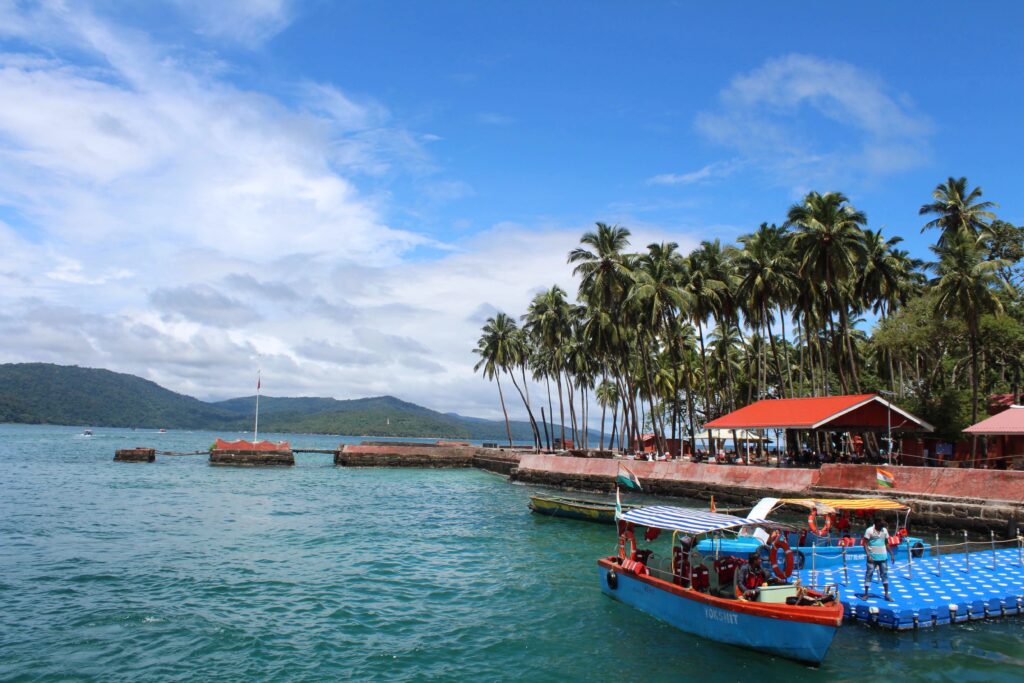
Beautiful Places in India
What is Beautiful Places in India? Beautiful places in India encompass diverse landscapes ranging from UNESCO-recognized temples to palm-fringed coastlines and untamed wilderness areas that offer multifaceted experiences within a single nation. India’s allure as a travel destination stems from its ability to present numerous experiences, including the iconic Taj Mahal, the serene backwaters of Kerala, and the majestic Himalayas. The country features 5000-year-old temples, such as the Gangeshwar Mahadev Temple believed to be built by the Pandavas during their exile. Additionally, India houses Ramoji Film City, recognized as the largest film studio in the world. The nation’s geographical diversity extends to hosting the Tropic of Cancer, which passes through Ranchi at precisely 23.4 degrees north latitude. India’s natural beauty manifests in various forms. For nature enthusiasts, the country offers a plethora of attractions including waterfalls, lakes, rivers, and hill stations. Cherrapunjee boasts stunning limestone caves, with Mawsmai Cave stretching 820 feet into the earth. Furthermore, Majuli in Assam holds distinction as the largest river island in the world, providing visitors with lush greenery, scenic beauty, and wildlife. The spiritual dimension of India adds another layer to its beauty. As a spiritual center, India contains numerous temples and ashrams that create peaceful environments for visitors seeking tranquility. The Golden Temple in Amritsar exemplifies this aspect of India’s beauty, appearing like “an island of gold, reflecting a majestic mirage into the surface of the river”. Adventure seekers find India appealing for its diverse offerings. The country serves as the ideal location for wildlife safaris, desert safaris, and various adventurous activities including bungee jumping, trekking, paragliding, scuba diving, and dune bashing. Ladakh’s Hemis National Park, the largest national park in India and South Asia, spans 4,400 sq km and houses approximately 200 snow leopards alongside other rare species. Cultural and historical sites further enhance India’s beauty. The Cochin International Airport distinguishes itself as the first in the world to operate solely on solar energy. Meanwhile, the Capitol Complex, a UNESCO World Heritage site, functions as the epicenter of Chandigarh’s administrative and political activities. Each region of India presents unique attractions—Jaipur showcases Rajputana culture through architectural marvels like the Amber Fort and Hawa Mahal, while Kerala’s backwaters offer a different experience where time seems to slow down during houseboat journeys through interconnected canals. Types of Beautiful Places in India India’s topographical diversity divides into distinct categories of breathtaking landscapes across the country. From snow-capped mountains to tropical beaches, each region presents unique characteristics that attract visitors seeking varied experiences. Hill Stations India’s hill stations primarily cluster in the Himalayas and Western Ghats, offering respite from the sweltering heat experienced in other regions. These elevated towns feature cool climates and stunning panoramas that made them popular retreats since colonial times. The Himalayan region houses several prominent hill stations including Shimla, Manali, and Dehradun, which combine natural beauty with modern amenities. The Western Ghats stretch along India’s western coastline through Maharashtra, Karnataka, and Kerala, showcasing lush forests, enchanting waterfalls, and diverse wildlife. Notable hill stations in this range include Ooty, often called “Queen of Hill Stations,” and Kodaikanal, known as “Princess of Hill Stations”. Beaches and Islands India boasts an extensive coastline spanning approximately 7,500 kilometers, offering abundant coastal living and tourism opportunities. The western coast along the Arabian Sea features calmer, warmer waters compared to the wider, more unpredictable Bay of Bengal on the east. Popular beach destinations include Goa’s vibrant shores like Baga and Calangute, Kerala’s serene Kovalam beach, and Tamil Nadu’s expansive Marina Beach. The Andaman and Nicobar Islands comprise over 500 islands known for pristine beaches, coral reefs, and rich marine biodiversity. Radhanagar Beach on Havelock Island stands out for its wide sandy expanses and tranquil atmosphere. Cultural and Heritage Sites India’s cultural landscape features numerous UNESCO World Heritage Sites that showcase the country’s architectural brilliance and historical significance. The list includes 44 designated sites—36 cultural, seven natural, and one mixed property. Iconic structures like the Taj Mahal in Agra exemplify Indo-Islamic architecture, while ancient cave complexes at Ajanta and Ellora display remarkable rock-cut artistry. The country houses numerous temples with distinctive architectural styles, from the ornate Meenakshi Temple in Madurai with its towering gopurams to the sun-worshiping marvel of Konark. Wildlife and Nature Reserves India maintains 573 wildlife sanctuaries covering 123,762 square kilometers to protect its diverse ecosystems. The country hosts 53 tiger reserves governed by Project Tiger, dedicated to conserving the Bengal tiger. Notable reserves include Kaziranga National Park, home to the world’s largest population of one-horned rhinoceros, and Sundarbans National Park, the largest mangrove forest globally. The Western Ghats, recognized for their high endemism and biodiversity, represent one of India’s natural UNESCO World Heritage Sites. Spiritual Destinations India’s spiritual heritage makes it a magnet for seekers from around the world. As the birthplace of Hinduism, Buddhism, Jainism, and Sikhism, the country houses numerous sacred sites. Varanasi, considered India’s holiest city, sits along a unique stretch of the Ganga River and hums with religious fervor day and night. Rishikesh, known as the “Yoga Capital of the World,” attracts practitioners seeking authentic teachings. The Golden Temple in Amritsar serves as the heart of Sikhism, while Bodh Gaya marks where Siddhartha Gautama attained enlightenment to become Buddha. Most Beautiful Places in India by Region India’s geographical expanse creates distinct regions, each offering extraordinary landscapes and cultural wonders worth exploring. From snow-capped mountains to pristine beaches, these regions house some of the country’s most cherished destinations. North India: Kashmir, Leh, Manali North India captivates visitors with its breathtaking mountain landscapes. Kashmir, often called “Heaven on Earth,” features the stunning Dal Lake where visitors can experience traditional shikara rides. Leh in Ladakh stands out for its high-altitude desert beauty, surrounded by the mighty Karakoram range. The region’s Pangong Tso lake, straddling the Indo-Chinese border at 14,270 feet elevation, presents a striking electric blue against rugged mountains. Khardung La pass, considered one of the highest motorable passes, offers adventure seekers a physical challenge at 18,380 feet. Manali, situated by the Beas River, attracts nature lovers with its floral meadows, apple orchards, and snow-capped peaks, plus notable sites like Hadimba Temple built in 1553. South India: Coorg, Ooty, Kerala South India boasts diverse environments from mountains to